


Core Web Vitals (CWV) are no longer optional. They’re a central part of Google’s ranking system, shaping a site’s visibility in search results and effectiveness in capturing leads.
If your pages don’t load quickly, respond smoothly, or stay visually stable, you’ll struggle to rank (even on LLM platforms). And then, even when you do rank, you lose potential clients at the very moment they’re ready to engage.
That’s why agencies need infrastructure that actively boosts CWV scores instead of holding them back. In this article, we’ll show why CWV drives rankings and conversions, how hosting impacts those scores, and how Kinsta’s architecture gives agencies a measurable edge.
Why Core Web Vitals matter for SEO rankings
Google uses hundreds of signals in its algorithm, but Core Web Vitals stand out because they measure real-world user experience. It’s not just about keywords or backlinks anymore. Google wants pages that feel fast, stable, and responsive.
The three key metrics are:
- Largest Contentful Paint (LCP): The time it takes for the main content, like a hero image or headline text, to load fully. If this drags on, visitors assume the site is slow and may bounce before the page even finishes.
- Interaction to Next Paint (INP): How fast the page responds to clicks and taps. Delays frustrate users and hurt engagement.
- Cumulative Layout Shift (CLS): How much a page “jumps around” as it loads. If a button shifts just as someone tries to click, it’s frustrating and Google notices.
These signals matter because Google’s job is to serve the best possible results.
Sites with strong CWV not only rank higher but also convert better: faster load times, lower bounce rates, responsive pages drive more clicks and form fills, and stable layouts build trust. For agencies, that translates into stronger pipelines and measurable ROI.
How hosting architecture impacts Core Web Vitals performance
It’s easy to think of CWV as something you fix with design tweaks, compressing images, lazy loading scripts, or cleaning up CSS. Those optimizations help, but they don’t address the root of the issue. The real driver of strong CWV scores is the hosting infrastructure beneath your site.
When servers are slow or overloaded, Largest Contentful Paint (LCP) drags because key elements take longer to render. Latency between the server and users increases input delays, lowering Interaction to Next Paint (INP). Without robust caching or server-side rendering, resources load unevenly, which can trigger layout shifts and hurt Cumulative Layout Shift (CLS).
For agencies, this creates a bottleneck because no matter how much you fine-tune the front end, scores won’t improve if the backend isn’t keeping up. Worse still, inconsistent hosting across clients makes it hard to deliver reliable results.
Strong hosting architecture removes those barriers at the source. Faster servers, global data centers, and intelligent caching improve LCP, INP, and CLS before a developer writes a single line of code.
In short, agencies that want lasting CWV gains treat hosting as the foundation that makes front-end improvements stick.
Kinsta’s infrastructure is designed for SEO wins
Not all hosting environments provide the same benefits. Many promise “speed” but don’t go beyond basic optimizations.
Kinsta takes a different approach by building its entire platform around the factors that directly influence Core Web Vitals and, by extension, rankings and conversions.
Faster load times with performance-tuned servers
Every site on Kinsta runs on high-performance compute resources engineered for raw processing power. Pages render faster, and LCP scores drop. Instead of fighting against slow servers, agencies can deliver sites that feel fast from the very first paint.
Edge caching and global CDN for low latency
With data centers around the world and built-in edge caching, Kinsta brings content closer to end users, no matter where they’re located. That reduced distance slashes latency, giving FID scores a noticeable boost and keeping performance consistent for global audiences.
Server-side optimizations that stabilize layouts
CLS often comes from resources loading out of sync. Kinsta addresses this with server-level optimizations, such as advanced caching rules and automatic resource handling, that prevent unexpected layout shifts. Clients see cleaner, more stable pages, which makes both users and Google happier.
Agency-focused tools that support growth
Beyond raw speed, Kinsta provides features agencies actually need to deliver results at scale.
MyKinsta includes analytics dashboards that track performance, one-click staging for safely testing CWV improvements, and role-based access controls, allowing teams and clients to collaborate without headaches.
For agencies, this combination translates into smoother operations and creates measurable SEO advantages. Instead of relying only on front-end fixes, you’re backed by infrastructure that actively contributes to better Core Web Vitals scores across your portfolio.
Real-world uplift after moving to Kinsta
The real test of any hosting platform isn’t in the specs. It’s in the results that actual agencies see after switching. When clients move to Kinsta, the improvements show up quickly in Core Web Vitals scores, search visibility, and lead generation.
The case studies from real agencies included below highlight how these gains translate into measurable business outcomes.
Pure Visibility: Page speed and CWV gains fuel an 85% traffic boost

Pure Visibility migrated to Kinsta, seeking faster performance, and noticed a massive difference. In fact, the company watched organic traffic soar by 85% year-over-year. The results were undeniable:
- GTmetrix score skyrocketed to A (96%).
- PageSpeed Insights hit a stellar 99/100 on mobile.
- Organic keyword rankings improved with 5,964 keywords ranked, and 574 of those on page one.
Tarun Gehani, the SEO Director at Pure Visibility, summed it up perfectly:
Switching to Kinsta as part of our redesign helped us make great strides in improving page speed and Core Web Vitals, which has directly contributed to better keyword rankings and increased organic traffic.
These numbers show that improving CWV matters from a technical standpoint and also drives real SEO results and traffic gains.
5Tales: Reliability, security, and time savings for over 100 sites
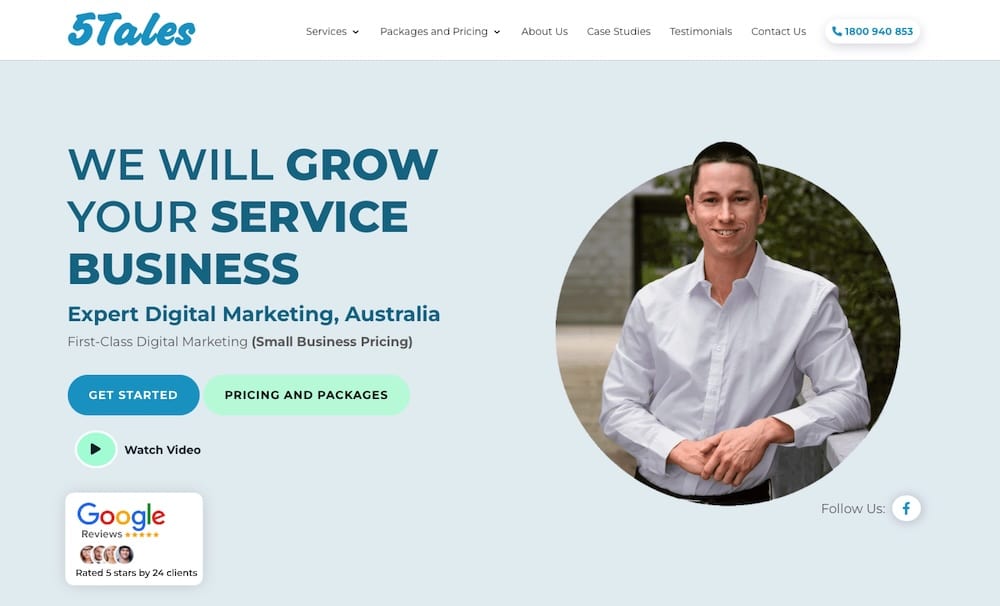
Then there’s 5Tales, an Australian digital marketing agency that was battling sluggish speeds, poor support, and worst of all, recurring malware infections on their previous hosts. But moving more than one hundred WordPress sites to Kinsta turned all that around.
Key highlights from the company’s case study included:
- There was zero downtime during migration, and it was all completed in just over a month with Kinsta’s free migration service.
- The malware was eliminated. Since migrating, the company hasn’t experienced a single hack.
- The move resulted in a big productivity win. Account managers were freed up by not dealing with hosting headaches and are now able to focus purely on growth.
According to Jason Schulz, Director at 5Tales,
Kinsta checked all the boxes,” thanks to “…fast website speeds, reliable support, easy migrations, an intuitive interface, and a secure platform.
For 5Tales, the shift was about performance but also transformed how they delivered value, reduced friction, and regained client trust.
Adapting Social: Traffic and engagement gains lead to 10% more leads

Adapting Social switched from unreliable shared hosting to Kinsta and made some serious gains, including:
- Page load times dropped by 33%, from an average of 4.2s to 2.8s.
- One client experienced a jaw-dropping 767% boost in search engine traffic, jumping from page nine to page one rankings.
- Over 250 hours saved annually on site management thanks to the intuitive tools like MyKinsta dashboard, backups, and staging.
- Leads and sales increased by 10%, directly tied to speed improvements and higher user trust.
Again, this is all about laying a stable and productive groundwork for making those front-end optimizations to meet Core Web Vitals worthwhile. Adapting Social’s COO, Christopher Iafelice, had this to say about the experience:
Kinsta really impressed me… We’ve successfully moved over 50 client sites to Kinsta, and we’ve retained them all — which we think says a lot about how reliable and high-performing the platform really is.
Summary
Core Web Vitals are a direct path to better rankings, stronger visibility, and higher conversions. For agencies proving ROI to clients, they can’t be ignored. And while front-end tweaks help, lasting gains come from hosting infrastructure built for speed and stability at scale.
That’s where Kinsta stands out. Backed by high-performance servers, global edge caching, and server-level optimizations, our platform is engineered to improve the metrics Google values most. Case studies show the results: faster load times, stronger CWV scores, higher organic traffic, and more leads.
For marketing-focused agencies, Kinsta provides the infrastructure, support, and proof points to deliver measurable results every time. Ready to give your clients the performance edge they deserve? Explore Kinsta’s agency hosting plans and see the difference.

Kinsta
Senior Editor at Kinsta, WordPress Web Developer, and Content Writer. Outside of all things WordPress, I enjoy the beach, golf, and movies. I also have tall people problems.


