


If you’re wondering how to get photography clients in 2026, you’re not alone. While the photography industry is more competitive than ever, there’s still plenty of demand for talented photographers who know how to market their services effectively.
The biggest difference is how clients find and choose photographers. Instead of relying solely on social media, many people now start with a Google search, browse online portfolios, read reviews, and compare websites before making an inquiry.
In 2026, getting consistent bookings requires more than posting your latest photos on Instagram.
A professional website, a strong photography portfolio, search engine optimization (SEO), client referrals, and a solid local presence all work together to help you attract new business. In this guide, I’ll share the strategies successful photographers use to consistently book more photography clients.
1. Define Your Photography Niche First
One of the most effective ways to get photography clients is to specialize in a specific niche rather than trying to photograph everything.
While it may seem like offering every type of photography will attract more customers, clients are more likely to hire someone who clearly demonstrates expertise in the service they need. For example, your focus might be wedding, family, portrait, branding, product, food, real estate, or pet photography. Having a well-defined niche helps you stand out in a crowded market.
Niche positioning also strengthens your marketing efforts. It improves your SEO by:
- Helping your website rank for more specific search terms
- Makes it easier for past clients and business partners to refer you
- Supports premium pricing through perceived expertise
- Creates a more cohesive portfolio that builds trust with potential clients
The clearer your specialty, the easier it is for the right clients to find and hire you.
2. Build a Portfolio Website That Converts Visitors into Clients
Social media platforms (like Instagram, Facebook, and Pinterest) can help you reach new audiences, but they shouldn’t be the only place potential clients discover your work.
Here’s the thing: platforms and algorithms change constantly, whereas a professional website gives you complete control over how you present your brand.

More importantly, clients often want more information than a single Instagram post can provide. They want to browse full galleries, learn about your pricing or packages, read testimonials from past clients, check your FAQs, confirm your service area, see your availability, and be able to contact you easily when they’re ready to book.
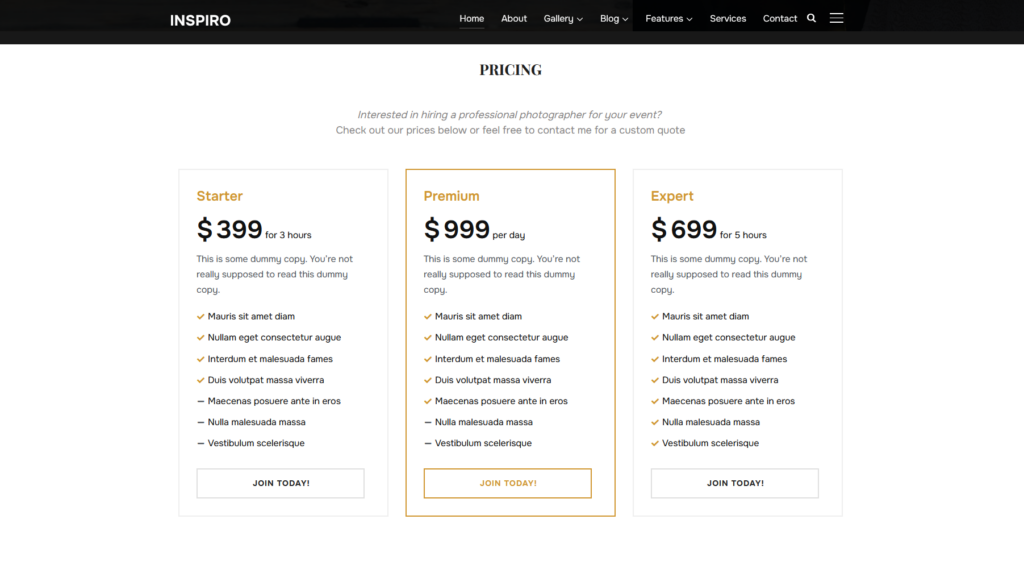
What Every Photography Website Should Include
Here are the key pages your photography website should have:
- Homepage: Introduce your brand and make a strong first impression.
- Portfolio: Showcase your best work with organized galleries.
- About Page: Share your story and build trust with potential clients.
- Services: Explain what you offer, who it’s for, and what’s included.
- Testimonials: Display client reviews to add credibility and social proof.
- Contact Page: Include a simple inquiry form and your contact details.
- Blog: Publish helpful content that attracts visitors through search engines and demonstrates your expertise.
A professional WordPress portfolio built with a photography-focused theme makes it easier to showcase your work, create a seamless user experience, and improve your chances of ranking in Google search results.
Further reading: 4 Key Features to Look for in a WordPress Photography Theme
3. Optimize Your Website for Google (Photography SEO)
A beautiful website won’t generate inquiries if potential clients can’t find it. That’s why search engine optimization (SEO) is one of the most valuable long-term marketing strategies for photographers.

I recommend starting off by using location-based keywords throughout your site, such as ”Austin Family Photographer” or ”Chicago Wedding Photography Portfolio” instead of simply “My Portfolio”.
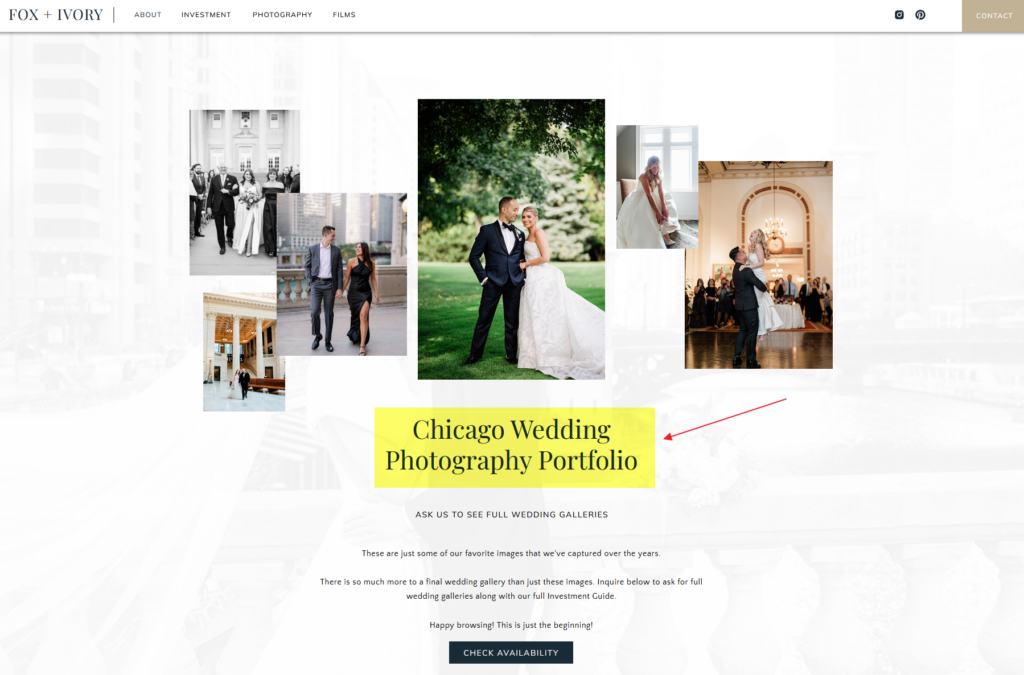
In addition to this, you also want to optimize your images with descriptive file names and alt text, improve page speed by compressing large photos, and create helpful blog posts that answer common client questions (more on this in the next section).
Once you have some blog posts published, use internal links to connect related pages and blog posts, helping both visitors and search engines navigate your website. Small SEO improvements can lead to a steady stream of qualified photography clients over time.
Finally, if you serve a local area, claim and optimize your Google Business Profile to improve visibility in local searches.
4. Publish Helpful Content That Attracts Clients
A blog is one of the best ways to attract photography clients through organic search. Google’s search systems increasingly reward helpful, people-first content, so by publishing articles that genuinely answer your audience’s questions, you can reach potential clients before they’re ready to book.
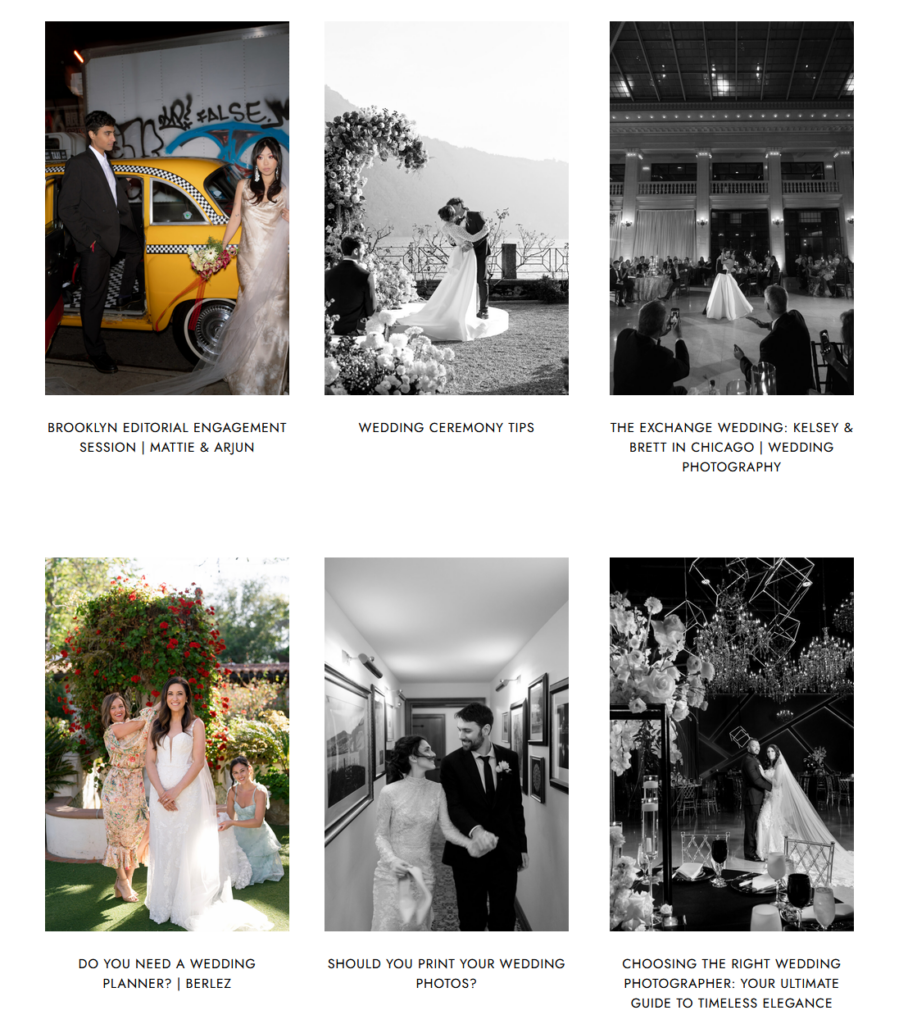
For example, you could write posts about:
- What to wear for family photos
- How to plan a wedding photography timeline
- The best engagement photo locations in your area
- How to prepare for a newborn session
- How much branding photography costs
These topics provide value to clients and also target the keywords people are already searching for online. Unlike social media posts that disappear from feeds within days, well-optimized blog articles can continue driving traffic to your website for months (or even years), helping you build authority and generate consistent inquiries over time.
Social media remains a valuable marketing tool for photographers, but your goal shouldn’t be to go viral. Instead, focus on creating content that builds trust and helps potential clients feel confident about hiring you.

To do this, you can share behind-the-scenes moments from photo shoots, before-and-after editing examples, client success stories, testimonials, educational tips, and highlights from completed galleries. This type of content gives people a better understanding of your process, personality, and expertise.

You can use the Instagram Widget plugin to add your Instagram feed directly to your photography portfolio website.
If you’re a wedding photographer, don’t overlook Pinterest. Many couples use it to plan their weddings and search for inspiration for their big day. For this reason, Pinterest is an excellent platform for showcasing engagement sessions, wedding galleries, and venue-specific content.
6. Ask Every Happy Client for Reviews and Referrals
Satisfied clients are one of your most powerful marketing assets, so don’t be afraid to ask for reviews and referrals after every successful session. Positive Google Reviews on your Google Business Profile improve your credibility and can even help your business appear higher in local search results, while testimonials add valuable social proof to your website.
Referrals are equally powerful because people are more likely to trust recommendations from friends and family who have already used your photography services. Create a simple follow-up process by sending a thank-you email a few days after delivering the final gallery.
Here’s a template you can use:
“If you loved your experience with [insert your brand name], I’d really appreciate a Google review. And if you know anyone looking for a photographer, I’d be grateful if you shared my name!”
7. Network with Businesses That Share Your Audience
Building relationships with complementary businesses is an effective way to find photography clients without relying solely on online marketing.
Think about the professionals your ideal clients already work with.
- Wedding photographers can partner with planners, florists, and venues, while branding photographers can connect with marketing agencies, web designers, and branding consultants.
- If you specialize in real estate photography, build relationships with realtors and property brokers.
- Family photographers can collaborate with baby boutiques, pediatric clinics, daycare centers, or parenting groups.
These partnerships benefit both businesses and create a steady source of referrals. A single trusted relationship can lead to dozens of client recommendations over time, making networking one of the most valuable long-term marketing strategies for photographers.
8. Make Booking Easy
Even the best portfolio won’t convert visitors into clients if your booking process is complicated. Every extra step creates friction, increasing the chances that potential clients will leave your website and contact someone else instead.
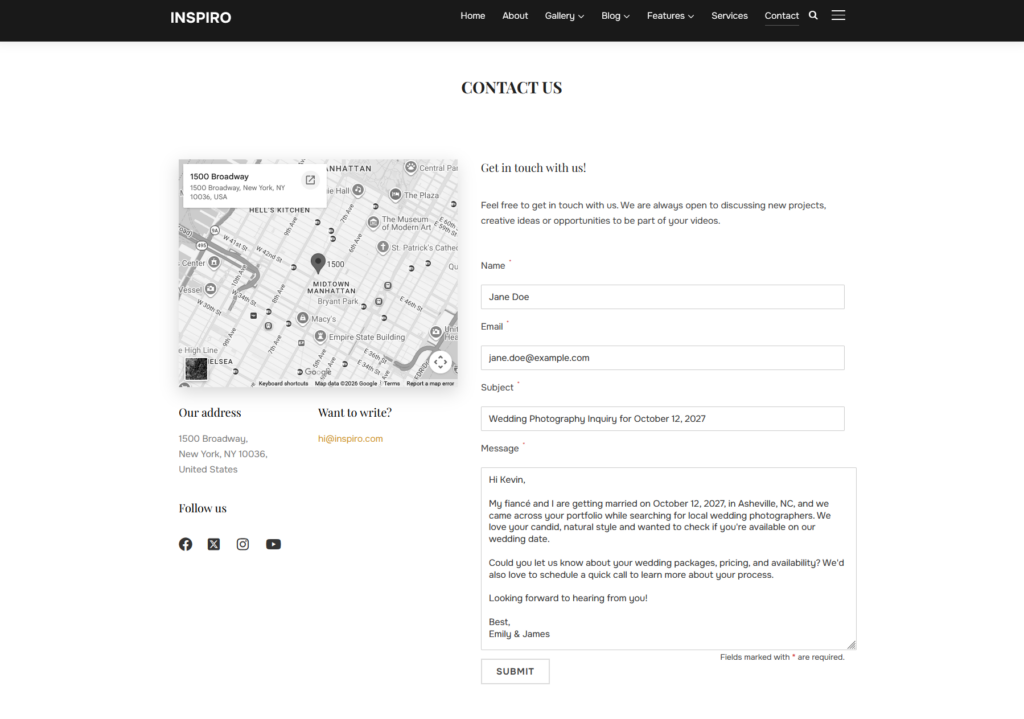
Make it easy for people to take the next step with a simple online inquiry form, clear contact information, and a straightforward pricing guide or starting rates. Respond to inquiries as quickly as possible. If possible, use scheduling software that allows clients to book consultations or sessions without lengthy email exchanges.
A smooth, professional booking experience builds confidence, saves time for both you and your clients, and can significantly increase your conversion rate from inquiry to confirmed booking.
9. Showcase Social Proof Everywhere
People are more likely to hire a photographer they trust, and social proof helps build that trust before you ever speak with a potential client. Display testimonials and Google Reviews throughout your website e.g. on the homepage, testimonials page, portfolio page, and contact page.

If your work has been featured in magazines, blogs, or industry publications, highlight those achievements as well. You can also showcase awards, client galleries, or collaborations with well-known brands to reinforce your credibility.
The more evidence visitors see that others have enjoyed working with you, the more confident they’ll feel about booking your services.
Building a strong local presence can be just as valuable as growing your online audience. Participating in charity events, community markets, school functions, or local sports clubs gives people the opportunity to meet you in person and see your work firsthand.
You can also partner with local businesses or join your chamber of commerce to expand your professional network and increase brand awareness. These connections often lead to referrals because people prefer recommending photographers they know and trust.
Remember, even if an event doesn’t result in an immediate booking, it can create lasting relationships that generate future opportunities. Consistent visibility within your community helps establish your reputation, making your business the first one people think of when someone asks for a photographer recommendation.
11. Experiment with Paid Marketing (When You’re Ready)
Paid advertising can help you reach more potential clients, but it works best after you’ve built a solid marketing foundation. Platforms like Google Ads can target people actively searching for photographers, while Facebook and Instagram Ads are useful for promoting seasonal offers, mini sessions, or recent work.
Before investing in ads, make sure your website, portfolio, and booking process are ready to convert visitors into clients. A well-designed landing page and clear call to action are just as important as the ad itself.
And keep in mind, paid ads only amplify an existing system. They can’t fix a weak portfolio, unclear messaging, or a poor user experience.
12. Keep Improving Your Portfolio
Your photography portfolio should evolve as your skills and business grow.
Regularly review your galleries and remove images that no longer represent your best work, even if they were once favorites. A smaller collection of exceptional photos (10-15 photos) is far more compelling than a large gallery filled with average ones.
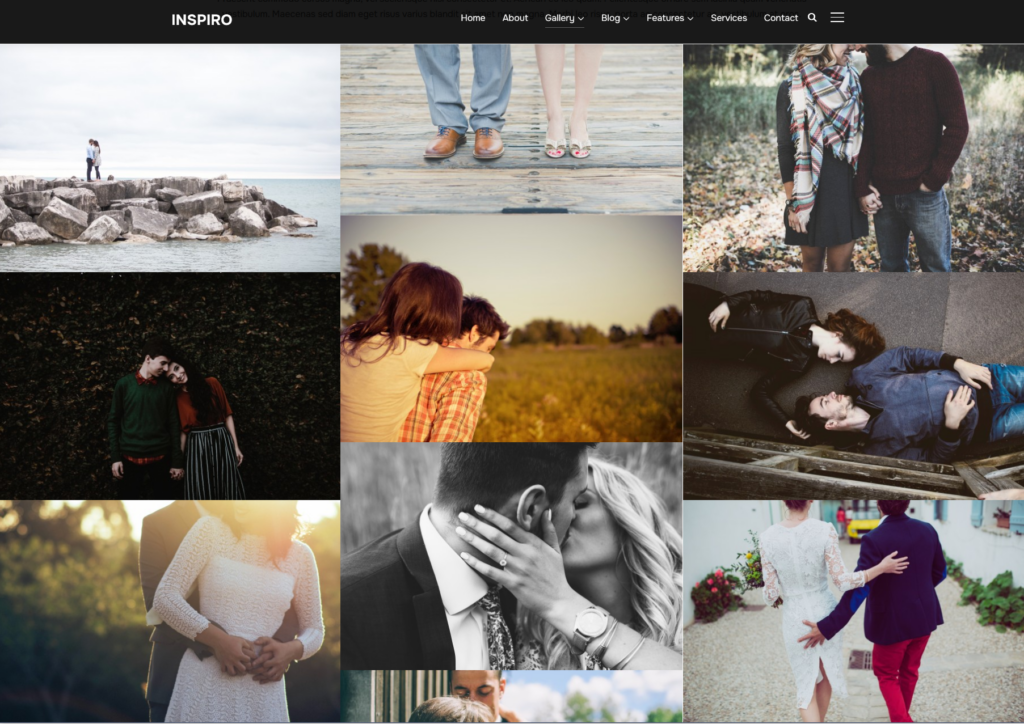
Remember, your portfolio attracts the type of work you want to book. If you want to photograph luxury destination weddings, commercial brands, or family sessions, feature more of that work and phase out unrelated projects.
Conclusion
The most successful photographers build a complete client acquisition system where a strong photography portfolio, a professional website, SEO, valuable content, referrals, reviews, networking, and social media all support one another. Each strategy builds trust and increases your chances of being discovered by the right clients.
If you’re building or refreshing your photography website, choosing a fast, photography-focused WordPress theme can help you present your work professionally, create a better user experience, and encourage more visitors to get in touch.
Combined with the marketing strategies to get photography clients I presented in this guide, the right website gives your photography business a strong foundation for attracting clients.


