

Travel blogging remains one of the most appealing ways to combine a passion for travel with an online business. But if you’re wondering whether you can still make money as a travel blogger in 2026, the answer is yes, but with the right expectations.
According to the BloggIng Income Survey 2026, travel bloggers can earn $1,000 or more per month and the average RPM (revenue per mille) is $21.41.
The most successful travel bloggers build multiple income streams around their content and audience. Some earn money through affiliate marketing and display ads. Others sell travel guides, offer trip-planning services, run group tours, or partner with brands.
In this guide, we’ll look at how travel bloggers make money in 2026, which income streams work best at different stages, and examples of successful travel bloggers and their income streams.
How Travel Bloggers Make Money
Travel blogging follows a simple business model:
First, your content attracts readers through search engines, social media, newsletters, and other channels. Some of those readers become part of your audience by subscribing to your email list or following your content regularly.
Over time, consistently publishing helpful travel advice, destination guides, and personal experiences helps build trust. Once that trust exists, monetization becomes much easier and revenue follows.
Travel bloggers earn money by recommending products through affiliate programs, displaying ads, partnering with brands, selling digital products, offering services, or running tours and experiences.
In short, revenue comes from the offers you present to an audience that already trusts your recommendations.
8 Ways Travel Bloggers Make Money
While every travel blog is different, most successful bloggers rely on a combination of the following income streams.
#1: Affiliate Marketing
Affiliate marketing is one of the most popular ways travel bloggers make money. When you recommend a product or service and a reader makes a purchase through your referral link, you earn a commission at no extra cost to them.

Travel bloggers commonly promote travel insurance, accommodation booking platforms, tours, luggage, camera gear, and other travel-related products such as eSIMs. The key is recommending resources that genuinely help your audience and fit naturally within your content.

If affiliate marketing is a key part of your strategy, prioritizing SEO can help you reach more potential buyers and grow your commissions over the long term.
#2: Display Advertising
Display advertising allows travel bloggers to earn money by showing ads on their websites. Depending on the advertising network, you may be paid based on impressions, clicks, or a combination of both.
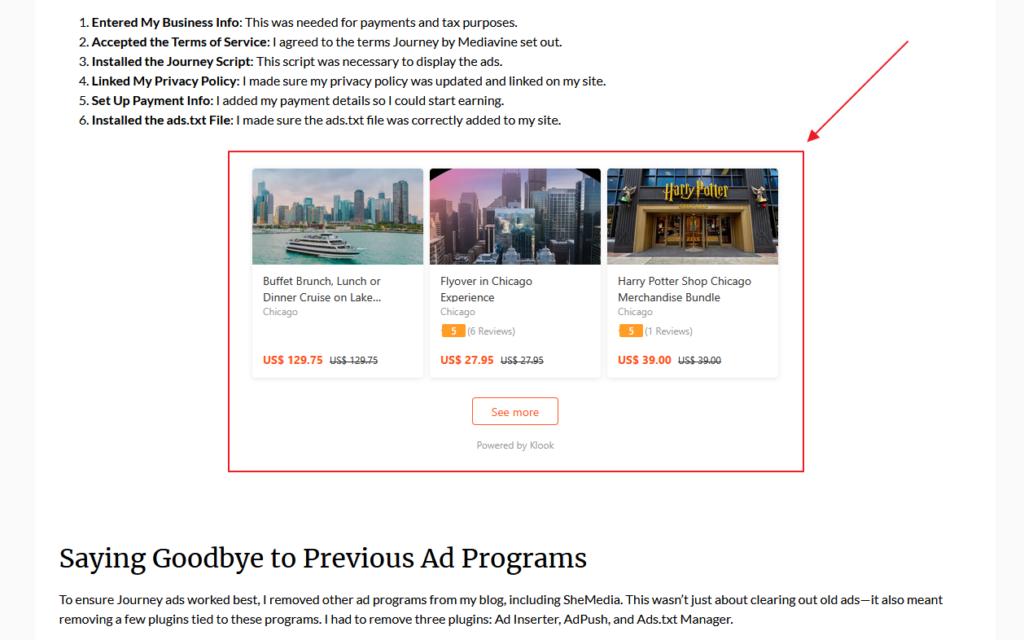
For many bloggers, advertising becomes a meaningful income stream only after reaching consistent traffic levels. The more visitors your site receives, the greater your earning potential. That’s why display ads are often viewed as a scaling strategy rather than an early-stage monetization method.
Sponsored posts involve creating content for a brand in exchange for payment. This could include destination guides, hotel reviews, product features, travel itineraries, or other content that aligns with your audience’s interests.
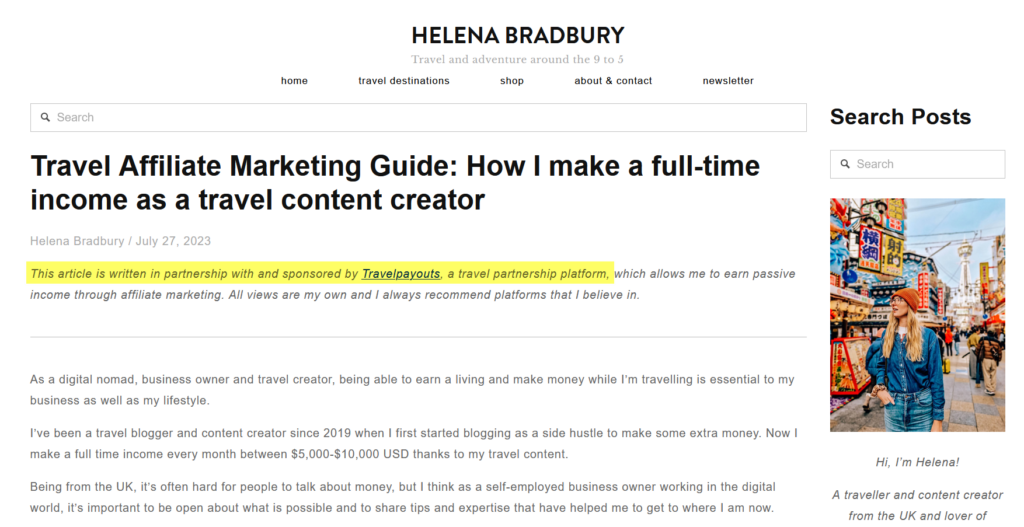
As your travel blog grows, travel companies may approach you with sponsorship opportunities. In some cases, bloggers also pitch brands directly to secure collaborations. The value of a sponsored post depends on factors such as traffic, audience engagement, niche relevance, and your overall authority.
#4: Brand Partnerships
Brand partnerships are typically broader and more long-term than individual sponsored posts. Instead of a one-time collaboration, a brand may work with a travel blogger across multiple campaigns, platforms, or content formats.
These partnerships can include blog content, social media promotion, newsletter sponsorships, video content, destination marketing campaigns, and event appearances. Tourism boards, travel technology companies, hotels, and travel gear brands frequently partner with creators who reach their target audience.
#5: Digital Products
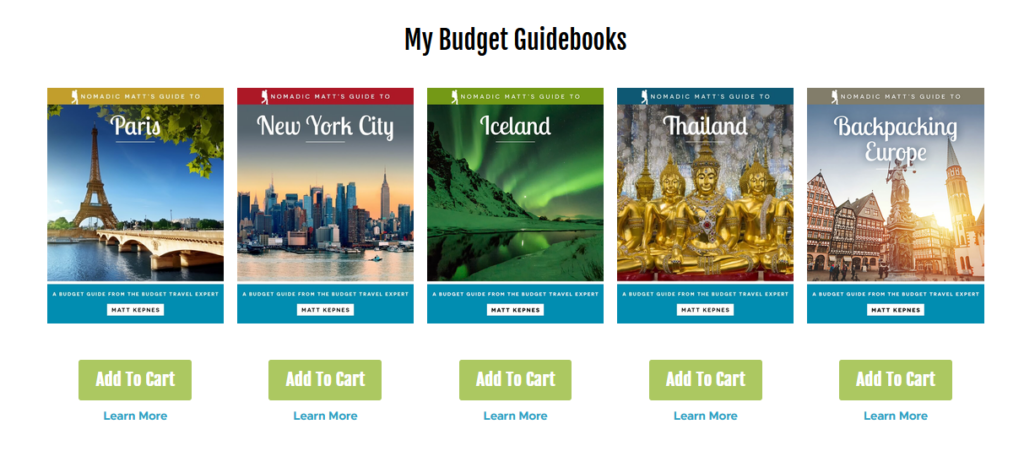
Digital products allow travel bloggers to monetize their expertise directly. Instead of earning commissions or advertising revenue, you’re selling something you’ve created yourself.

Popular digital products include destination guides, photography presets, packing lists, templates, online courses, and downloadable resources. These products help readers solve specific problems while creating an additional source of income for your business.
If you plan to sell digital products, choose a WordPress theme with built-in eCommerce support so you can easily create, manage, and sell products directly from your website. The Dérive travel theme is fully compatible with WooCommerce out of the box.
#6: Travel Planning Services
Many travelers are willing to pay for personalized advice from someone who has already researched destinations, transportation options, accommodations, and activities. This creates an opportunity for travel bloggers to offer travel planning services.

Services can range from custom itineraries and destination recommendations to full trip-planning packages. Bloggers who specialize in a particular region, travel style, or niche often have a significant advantage because they can provide insights that generic travel websites cannot.
#7: Tours and Retreats
Hosting tours and retreats allows travel bloggers to turn their expertise into real-world experiences. Rather than simply recommending destinations, you help travelers experience them firsthand.

Examples include photography workshops, adventure tours, food-focused trips, wellness retreats, and small-group travel experiences. These offerings often appeal to readers who already trust your recommendations and want a more personalized travel experience.
#8: Memberships and Newsletters
Memberships and paid newsletters give travel bloggers a way to earn recurring revenue while building a closer relationship with their audience. Instead of relying solely on traffic, you’re creating value for subscribers who choose to support your work directly.

A membership might include exclusive travel guides, community access, trip-planning resources, discounts, or premium content. Paid newsletters often focus on insider travel tips, destination recommendations, travel deals, or in-depth advice not available on the public blog.
4 Examples of Successful Travel Bloggers and How They Make Money
Let’s look at some examples of successful travel bloggers and how they make money:
#1: Nomadic Matt
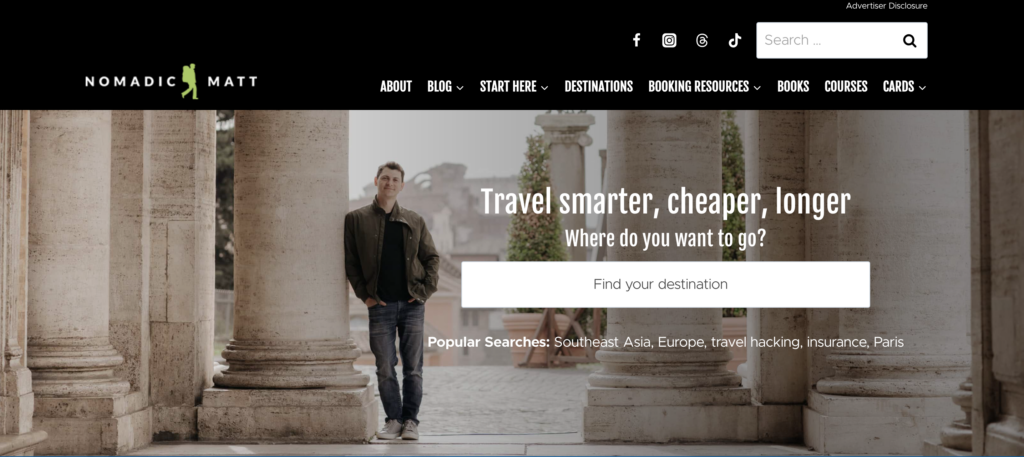
Matt Kepnes has been travel blogging for over 17 years and has generated seven figures in revenue. His travel blog gets 1.3 million visitors per month and he’s built an email list of 300K+ readers.
His revenue flows from his travel blog, affiliate marketing, digital products (travel books and guides through Amazon), a business masterclass, and travel planning services.
#2: The Blonde Abroad

Kiersten Rich (aka Kiki) has traveled to 71 countries across the world. She regularly partners with tourism boards, travel companies, property managers, and product brands. One of the first brands she partnered with made waterproof iPhone cases.
She also sells Lightroom Presets and has built an email list of over 1 million readers. Kiki hit over $1 million in earnings by diversifying her income sources.
#3: Expert Vagabond
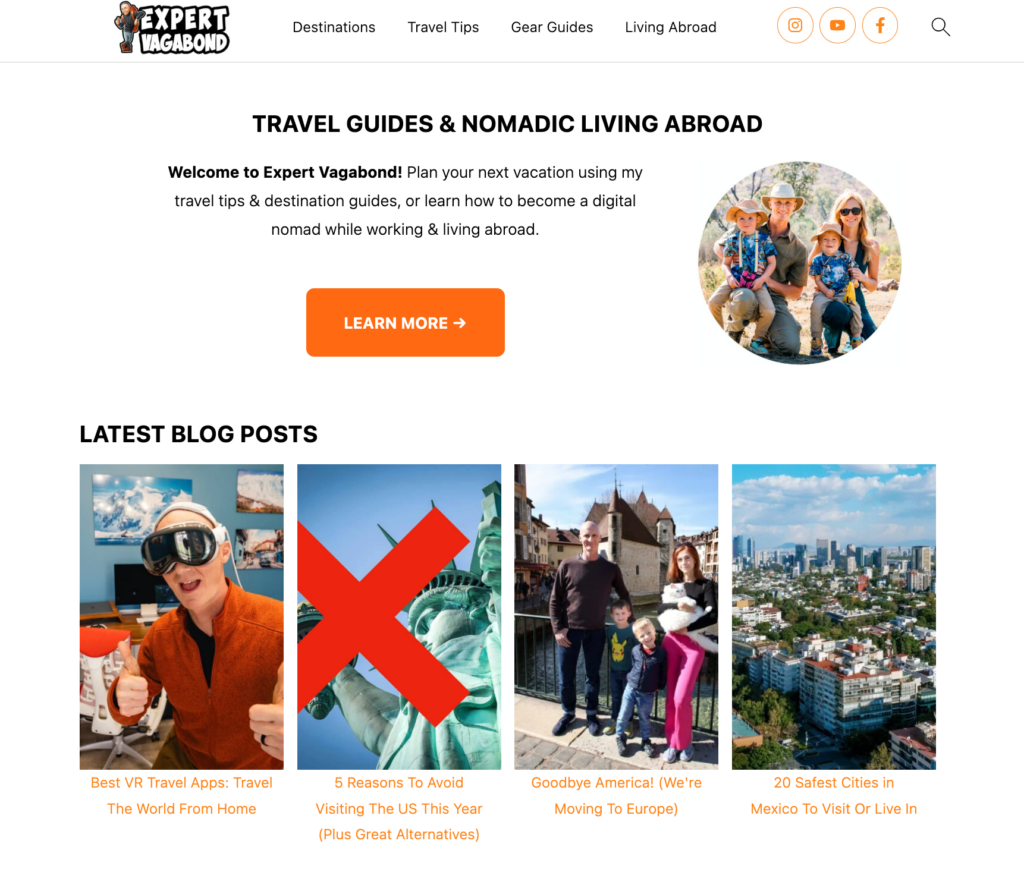
Matthew Karsten is an adventure travel blogger and photographer who has been traveling for over 10 years.
His revenue sources include his travel blog, affiliate marketing, how-to guides and ebooks, influencer marketing, freelance travel photography, destination marketing, display advertising, and paid public speaking.
#4: Emily Luxton
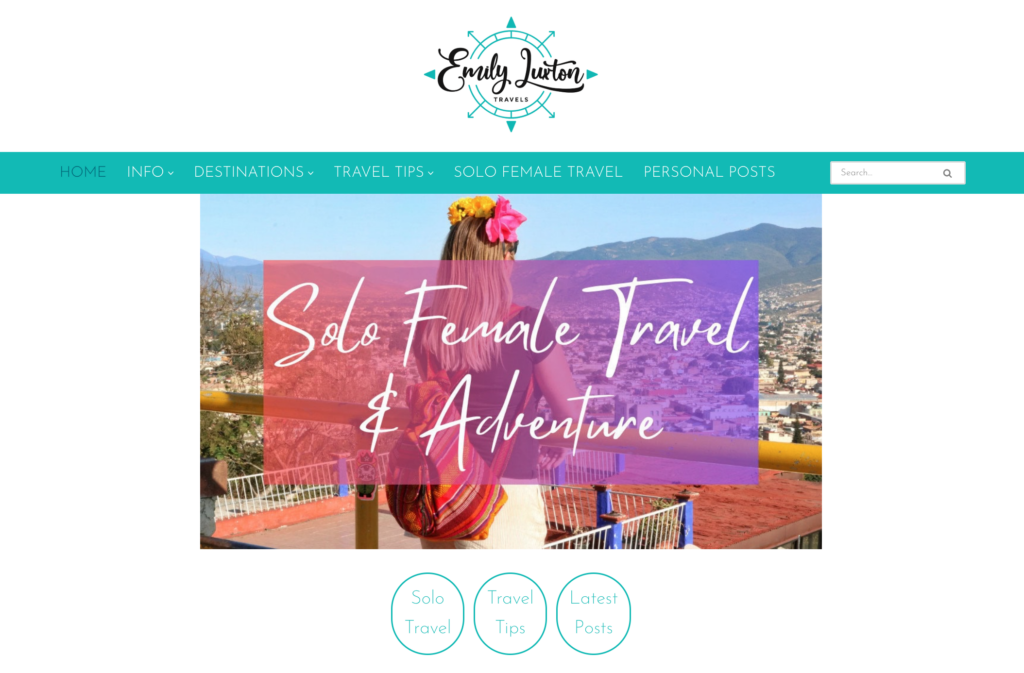
Emily is an award-winning full-time solo female traveler. Her travel blog reached an average of 100,000 pageviews per month.
Her revenue sources include freelance writing, reviews (hotels, tours, transport, and products), press trips, sponsored posts, advertising, and contests and giveaways.
4 Stages of Travel Blog Monetization
Most travel blogs don’t become profitable overnight. As traffic and authority grow, different monetization opportunities become available.
Here’s what typically works at each stage.
Stage 1: 0-10,000 Monthly Visitors
At this stage, your priority should be building content, attracting readers, and growing an audience. You don’t want to be trying to maximize ad revenue at this stage because display ads are unlikely to generate meaningful income with relatively low traffic.
Instead, focus on affiliate marketing by recommending products and services you genuinely use, such as travel insurance, eSIMs, accommodation booking platforms, or travel gear. At the same time, start building an email list so you can stay connected with readers beyond search engines and social media.
Stage 2: 10,000-50,000 Monthly Visitors
At this stage, affiliate marketing should remain a priority, but you can start pursuing higher-paying affiliate programs that offer better commissions and more relevant products for your audience.
Partnerships can also become an important source of income because brands are often more interested in reaching a targeted audience.
Stage 3: 50,000-100,000+ Monthly Visitors
| Travel Blog Stage | Recommended Network |
|---|---|
| 0-10K monthly visitors | Google AdSense |
| 10K-50K monthly visitors | Google AdSense |
| 50K-100K monthly visitors | Mediavine or Raptive |
| 100K+ monthly visitors | Mediavine or Raptive |
Note: As of January 2026, Mediavine uses a revenue-based qualification system for new applicants, requiring $5,000+ in annual ad revenue instead of the previous traffic-based threshold. Sites below that level can apply to Journey by Mediavine starting at 1,000 monthly sessions.
You may also have enough authority and audience trust to launch digital products such as paid newsletters, destination guides, courses, and other resources that help travelers solve specific problems.
Stage 4: Building a Travel Brand
At this stage, your audience trusts your expertise enough to buy higher-value products and services directly from you. This might include organizing group tours, hosting retreats, offering one-on-one consulting, or providing personalized trip-planning services.
These offerings typically require more involvement than affiliate marketing or advertising, but they can also generate significantly higher revenue.
The advantage is that you’re no longer relying solely on traffic or platform algorithms. Instead, you’re monetizing your knowledge, experience, and relationship with your audience.
Common Mistakes New Travel Bloggers Make
Many new travel bloggers struggle because they focus on the wrong things early on. Here are some of the most common mistakes:
- Choosing a niche that’s too broad. Covering every destination and travel style makes it difficult to build authority and stand out from competitors. Popular niches include budget travel, adventure travel, family travel, digital nomad travel, and destination-specific travel.
- Relying only on ads. Display advertising can be profitable, but it usually requires substantial traffic before earnings become meaningful.
- Ignoring email marketing. An email list gives you direct access to your audience and reduces your dependence on search engines and social media platforms.
- Publishing without keyword research. Creating content people are actively searching for improves your chances of attracting consistent organic traffic.
- Expecting quick results. Travel blogging is a long-term business that typically takes months or years to generate significant income.
The most successful travel bloggers focus on building an audience first and monetizing that audience over time through multiple revenue streams.
Start Making Money as a Travel Blogger Today
Travel blogging can still be a viable way to earn money in 2026. The most successful travel bloggers focus on building an audience, earning trust, and creating multiple ways to help that audience through recommendations, products, services, experiences, and partnerships.
Whether your goal is earning a side income or building a full-time travel business, the key is to think beyond pageviews. Focus on creating valuable content, growing an email list, and developing income streams that align with your expertise and audience’s needs.
If you don’t already have a travel blog, your next step is to choose a niche, build your travel blog website, and start publishing helpful content. The sooner you begin building an audience, the sooner you’ll create opportunities to monetize your knowledge and travel experiences.


