

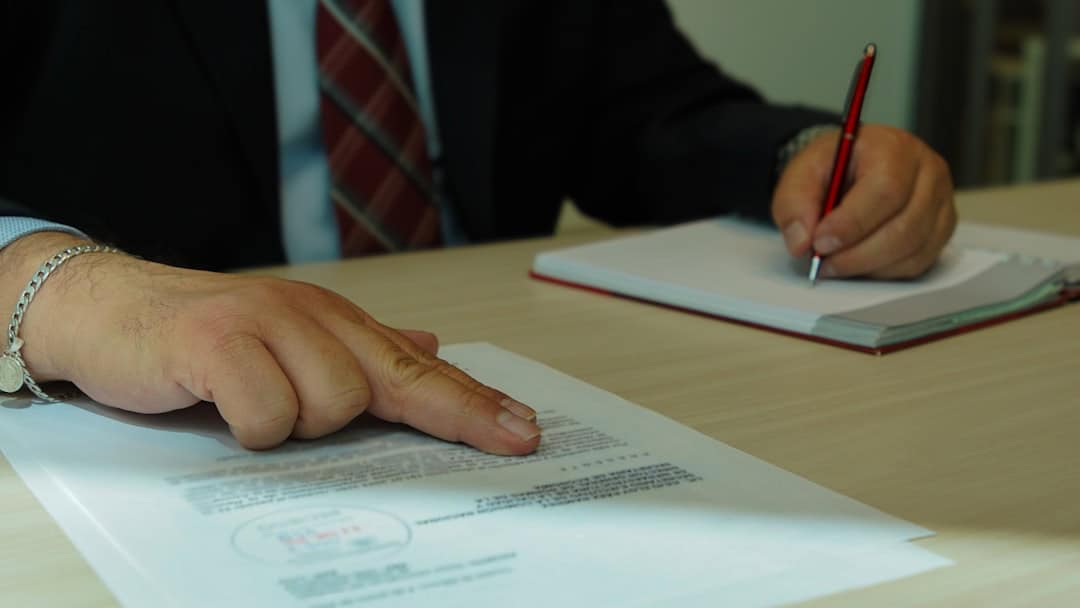

In the world of property management, making timely and consistent vendor payments is not just a courtesy—it’s a necessity. Property managers are constantly interfacing with vendors who provide vital services ranging from landscaping to plumbing, HVAC maintenance to cleaning services. Without a structured and reliable payment process in place, property managers risk damaging relationships, delaying business operations, and incurring late fees. This article explores a strategic, professional approach to vendor payments: The Property Manager’s Vendor Payment Playbook.
The Importance of a Streamlined Vendor Payment System
Many property managers juggle multiple properties with dozens, sometimes hundreds, of vendors. This results in a high volume of invoices, varying payment terms, and differing tax documentation needs. Without a well-organized payment system, it’s easy to lose track of obligations—potentially resulting in financial penalties or decreased vendor confidence.
Why is vendor confidence important? Reputable vendors prioritize clients who pay on time. A disorganized payment process could push preferred vendors away, leaving property managers with fewer reliable options and ultimately diminishing service quality across properties.
Key Components of the Vendor Payment Playbook
For property managers striving to operate at peak efficiency, the following core components form the backbone of an effective vendor payment playbook:
1. Centralized Vendor Onboarding
Begin with a strong foundation. Collect essential documents from all vendors before work begins, including:
- W-9 forms or equivalent tax documents
- Certificates of insurance (COIs)
- Signed service agreements
- Payment terms and banking information, if applicable
Maintain these documents in a secure digital repository for easy access and audits. This step ensures compliance and facilitates seamless record-keeping down the road.
2. Consistent Invoice Review Procedure
Invoices should be reviewed systematically. Set guidelines on what a valid invoice must include, such as:
- Job reference numbers
- Detailed descriptions of services rendered
- Service dates
- Correct payment terms (e.g., Net 15 or Net 30)
If your firm manages multiple properties, encourage staff to code or tag invoices to the appropriate property and account. This minimizes confusion, especially at month-end reconciliation.
3. Use of Technology for Tracking and Payments
Leverage property management software or a dedicated Accounts Payable (AP) platform. These solutions allow for:
- Automated payment reminders
- Batch payments and ACH processing
- Real-time payment status updates
- Custom approval chains
Use digital tools not just to pay vendors faster, but also to gain analytics on spending patterns and vendor reliability.

4. Payment Schedules and Early Pay Incentives
Where feasible, establish recurring payment schedules with high-frequency vendors to minimize manual tasks and keep relationships smooth. Additionally, some vendors offer discounts for early payments.
Example: A 2% discount on a $5,000 invoice for paying within 10 days saves $100—no small amount when scaled across many payments.
5. Clear Vendor Communication Protocols
Build communication guidelines, such as:
- A designated point of contact for payment questions
- Email acknowledgment of invoice receipt within 2 business days
- Monthly vendor update reports
Transparency ensures vendors feel valued and informed, contributing to more dependable service delivery.
Red Flags and Common Mistakes
Even sophisticated teams can fall into traps. Here are some common vendor payment pitfalls to avoid:
- Delayed approvals: Bottlenecks in invoice approvals lead to missed payment due dates.
- Duplicate payments: Without a tracking system, two departments might pay the same invoice.
- Wrong account allocation: Payments posted to incorrect budgets complicate end-of-year reporting.
Regular internal audits and 3-way matching (comparing invoice, purchase order, and service confirmation) help minimize these risks.
Building Strong Vendor Relations with Financial Discipline
A well-structured vendor payment process is more than administrative maintenance—it’s a tool for building trust, improving property service quality, and preserving financial health. By investing in systems, technology, and documentation, property managers can create a consistent, transparent, and accountable payment workflow.
With this playbook in hand, vendors see your organization as professional and dependable—making them more likely to prioritize your service needs and offer flexible terms during critical times. Ultimately, sound vendor payment practices are an investment into the long-term success of your property management operations.
Plan proactively, pay efficiently, and profit sustainably.

Where Should We Send
Your WordPress Deals & Discounts?
Subscribe to Our Newsletter and Get Your First Deal Delivered Instant to Your Email Inbox.